Garden Clearance Ealing — Recycling & Sustainability
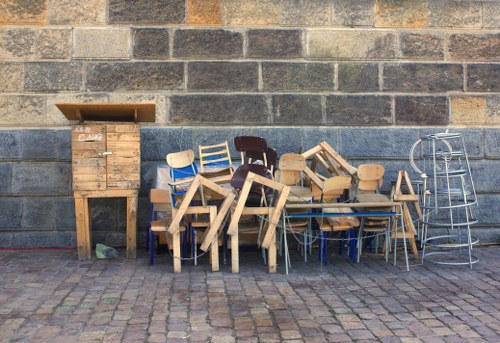 Garden Clearance Ealing is committed to creating a measurable, long-term impact on local environmental health by prioritising an eco-friendly waste disposal area approach and building a truly sustainable rubbish area for the borough. Our page explains how garden waste removal in Ealing is handled responsibly, where material goes, and how we partner with the community to exceed municipal expectations.
Our central aim is a clear recycling percentage target: we are working towards a 75% diversion rate of garden and green waste from general landfill by 2030. This target is ambitious for garden clearance in Ealing but aligns with wider London and borough-level goals. By measuring and reporting tonnage diverted into compost, wood recycling and reuse streams, we maintain transparent progress toward that 75% goal.
 Ealing and neighbouring boroughs already operate a structured waste separation system: dry mixed recycling, food caddies, garden waste services and a general waste stream. Our Ealing garden clearance teams follow this model on-site, segregating soil, timber, green waste, inert materials (like brick and concrete), and reusable items. We respect the borough's approach to waste separation and aim to supplement it with specialist sorting during every garden clearance.
Local Transfer Stations and Resource Recovery
We work with local transfer stations and materials recovery facilities across West London to ensure proper processing. Typical local transfer stations used include Park Royal and nearby West London transfer facilities that accept segregated green waste, wood, metal and rubble. These transfer stations act as hubs in a responsible logistics chain that supports an effective eco-friendly waste disposal area network.
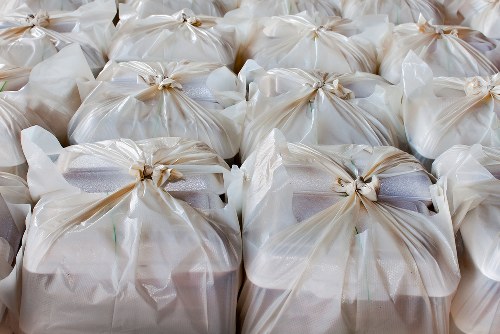 Partnerships are central to our sustainability model. We collaborate with charities, community groups and reuse organisations so that salvageable items from an Ealing garden clearance — such as planters, paving slabs, furniture and tools — are offered for reuse rather than destruction. Key partnership activities include:
- Donation programmes for reusable garden furniture and tools to local charities.
- Composting partnerships with community gardens to convert green waste into soil improver.
- Reclamation avenues for timber and stone to be repurposed in local landscaping projects.
Low-Carbon Fleet and Operational Efficiency
Our fleet for garden waste removal Ealing combines low-carbon vans and optimized routing software to reduce emissions. We operate a mix of electric vans for short urban trips and Euro 6-efficient vehicles for heavier loads, minimising the carbon footprint of transfers to designated processing sites. Low-carbon vans are complemented by route consolidation so fewer journeys are required per tonne of material.
On-site, crews apply best practice segregation so materials destined for composting, chipping, and bricks/concrete processing are separated immediately. Wood is chipped for mulch or sent for biomass where appropriate; green waste is either composted locally or transferred to accredited composting facilities; hardcore is sorted and crushed for reuse. These material-specific activities support a robust sustainable rubbish area inside the borough.
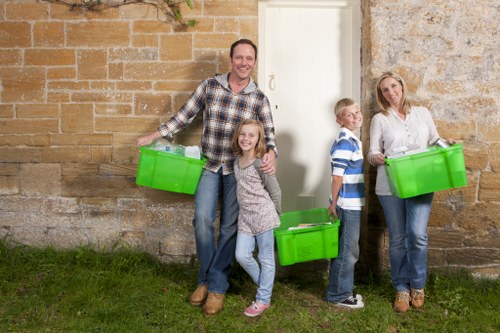 We also promote community-level recycling activity: mulching workshops, soil improvement contributions to local allotments and coordination with Ealing Council's garden waste subscription service. These activities increase local engagement and contribute to higher recycling rates across residential clearances and communal green spaces.
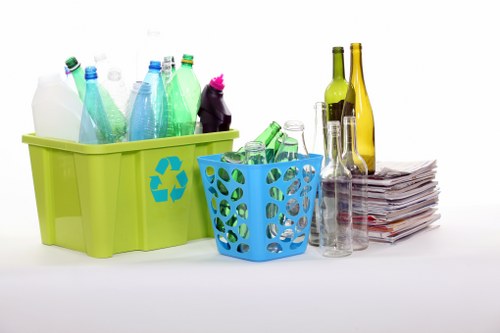 Transparency and verification are built into our process. Every load is tracked with a manifest that records material types and destinations, enabling accurate reporting against our 75% recycling target. Reports include tonnes diverted to compost, tonnes of wood reused or sent to biomass, materials donated to charities and volumes of inert material recycled for construction use.
We continually review operations to enhance the eco-friendly clearance Ealing standard: investing in electric vehicles, training crews in on-site separation, and deepening partnerships with local transfer stations and charities. These measures create a circular approach where fewer materials leave the resource economy and more are returned as valuable inputs.
By aligning our Ealing garden clearance work with borough waste separation policies, cooperating with trusted transfer stations, supporting charity partners, and deploying low-emission vehicles, we aim to make every clearance contribute to a cleaner, greener borough. Together, we can build a recognisable sustainable rubbish area in Ealing and achieve our recycling goals.