Effective Furniture Disposal in Ealing: Your Comprehensive Guide

Understanding Furniture Disposal in Ealing

A young woman and a young man stand side by side against a plain white background, each holding a reusable plastic recycling bin. The woman, positioned on the left, has long brown hair and is wearing a light grey t-shirt, carrying a blue bin with a recycling symbol on the front filled with various plastic bottles of different shapes and colours, including green, clear, and blue. The man, on the right, has dark, wavy hair and is wearing a light blue t-shirt, holding a small green recycling bin with a recycling symbol, containing clear plastic bottles and a metallic can. Both individuals are smiling and look directly at the camera, with the woman slightly leaning to her left to balance the bin on her shoulder. The image highlights environmentally conscious recycling practices, subtly referencing domestic waste management services available in Ealing, London, provided by Garden Clearance Ealing, focusing on waste types such as plastic bottles and cans typically collected during rubbish removal or recycling efforts.

Disposing of old or unwanted furniture in Ealing requires a strategic approach to ensure that items are handled responsibly and sustainably. Whether you're upgrading your home décor or simply decluttering, knowing the best disposal methods can save you time, effort, and money.

With the increasing focus on environmental sustainability, proper furniture disposal has become more important than ever. Ealing offers several options for residents to dispose of their furniture in an eco-friendly manner, minimizing waste and promoting recycling.

From charity donations to professional removal services, the choices are diverse. This guide explores the various methods available, helping you make informed decisions when it comes to furniture disposal in Ealing.

Why Proper Furniture Disposal Matters
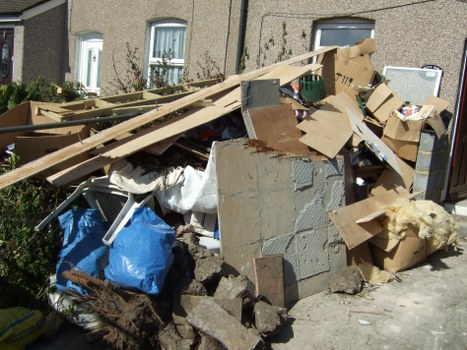
A large pile of assorted waste materials placed on the pavement near residential buildings, including broken wooden planks, cardboard boxes, pieces of plasterboard, and plastic bags. The debris appears to consist of construction or household rubbish, with some cardboard boxes partially flattened and others still intact. The pile is situated in an outdoor setting adjacent to a garden or small front yard, with a building facade visible in the background featuring windows with white frames. The waste is spread across the sidewalk area, likely awaiting collection or removal by a rubbish disposal service. The scene reflects a typical clearing of rubbish in an urban or suburban environment, possibly in Ealing, where Garden Clearance Ealing might operate for such disposal tasks. The environment is well-lit, indicating daylight, and the waste seems to be accumulated for proper clearance, consistent with professional waste management services.

Proper furniture disposal is not just about getting rid of old items; it's about doing so in a way that benefits the community and the environment. Improper disposal can lead to unnecessary landfill waste, environmental pollution, and even legal repercussions.

By choosing the right disposal method, you contribute to reducing the carbon footprint, conserving resources, and supporting local charities. Additionally, responsible disposal ensures compliance with local regulations, avoiding potential fines or penalties.

Understanding the importance of proper disposal can motivate individuals and businesses in Ealing to adopt more sustainable practices, fostering a cleaner and healthier community for all.

Methods of Furniture Disposal
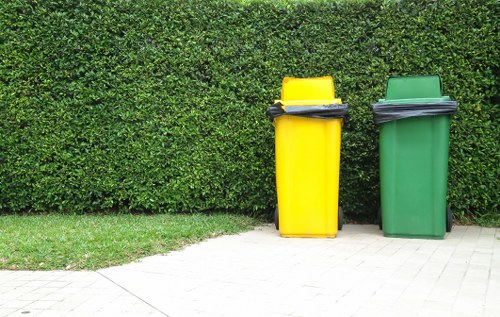
Two wheelie bins are positioned on a paved pathway in front of a well-maintained hedge. The left bin is bright yellow with a black lid, while the right bin is green with a black lid. Both bins are standard plastic waste containers used for rubbish collection, with the yellow bin possibly designated for general waste and the green bin for recyclable materials. The pathway appears to be part of a residential or communal area, typical of properties in Ealing or nearby areas. The background hedge is lush and trimmed, providing a neat backdrop. The overall scene suggests a typical rubbish disposal setup for household or communal waste management, as provided by Garden Clearance Ealing, highlighting local waste collection practices for rubbish in the area.

1. Donation

Donating furniture is an excellent way to give your items a second life. Numerous charities and organizations in Ealing accept gently used furniture, providing assistance to those in need while promoting sustainability.

Benefits of Donation

  • Helps those in need
  • Reduces landfill waste
  • Potential tax deductions
How to Donate

To donate, contact local charities such as Shelter or Action Against Hunger. Ensure that your furniture is in good condition and arrange for pickup or drop-off as per the organization's guidelines.

2. Recycling

A close-up view of an overflowing white drawer filled with a variety of crumpled and folded clothing items, including T-shirts, hoodies, and trousers in bright colors such as red, yellow, blue, pink, black, and grey. The clothes appear to be throw-in or discarded, with some hanging over the edge of the drawer. The background shows a portion of a white wardrobe or cabinet interior, indicating an indoor setting. The scene suggests clutter and unnecessary accumulation of fabric items, aligning with typical rubbish and decluttering situations that would require professional rubbish removal services offered by Garden Clearance Ealing, especially in an area like Ealing. The lighting is even and emphasizes the textures and vivid colours of the fabric, highlighting the need for proper disposal or clearance of household waste in urban or suburban environments.

Recycling furniture involves breaking down items into their raw materials, which can then be reused in new products. This process conserves natural resources and reduces the environmental impact of disposal.

Benefits of Recycling

  • Conserves natural resources
  • Reduces energy consumption
  • Minimizes pollution

Recycling Centers in Ealing

Ealing is home to several recycling centers that accept furniture. These facilities ensure that materials are processed correctly, adhering to environmental standards.

3. Professional Removal Services

A large collection of discarded household appliances and electronic waste piled outdoors, including washing machines, microwaves, computer monitors, and small kitchen appliances. The appliances display various finishes such as white, black, and beige, with some showing signs of dirt and weathering. The items are stacked haphazardly, with some resting on top of others, creating a cluttered scene. Visible in an outdoor environment, possibly on a driveway or waste collection area, with a background that includes a building's metal siding or storage unit, and a yellow feature partially visible on the left side. The scene depicts an accumulation of bulky rubbish typical for professional rubbish removal services in the Ealing area, handled by Garden Clearance Ealing, with the focus on the collection of electronic and household waste ready for disposal or recycling.

For those who prefer a hassle-free solution, professional removal services offer efficient furniture disposal. These services handle everything from pickup to proper disposal, saving you time and effort.

Advantages of Professional Services

  1. Convenience
  2. Time-saving
  3. Environmentally responsible disposal

Choosing the Right Service

When selecting a removal service in Ealing, consider factors such as reputation, pricing, and adherence to environmental standards. Reading reviews and seeking recommendations can help you make an informed choice.

DIY Disposal: What You Need to Know

If you prefer to handle furniture disposal yourself, there are several steps to follow to ensure it’s done correctly. DIY disposal can be cost-effective but requires careful planning.

Start by assessing the condition of your furniture. Items in good condition can be sold or donated, while those beyond repair may need to be recycled or disposed of properly.

Ensure you comply with local regulations regarding furniture disposal in Ealing. This includes understanding any restrictions on the types of materials that can be recycled or the appropriate disposal methods.

Environmental Impact of Improper Disposal

A large pile of assorted waste materials placed on the pavement near residential buildings, including broken wooden planks, cardboard boxes, pieces of plasterboard, and plastic bags. The debris appears to consist of construction or household rubbish, with some cardboard boxes partially flattened and others still intact. The pile is situated in an outdoor setting adjacent to a garden or small front yard, with a building facade visible in the background featuring windows with white frames. The waste is spread across the sidewalk area, likely awaiting collection or removal by a rubbish disposal service. The scene reflects a typical clearing of rubbish in an urban or suburban environment, possibly in Ealing, where Garden Clearance Ealing might operate for such disposal tasks. The environment is well-lit, indicating daylight, and the waste seems to be accumulated for proper clearance, consistent with professional waste management services.

Improper furniture disposal can have significant environmental consequences. Materials that end up in landfills contribute to soil and water pollution, release harmful greenhouse gases, and waste valuable resources.

By disposing of furniture responsibly, you help mitigate these negative impacts, supporting a healthier ecosystem in Ealing and beyond.

Moreover, responsible disposal encourages a culture of sustainability, inspiring others to follow suit and adopt eco-friendly practices.

Legal Regulations in Ealing

A close-up view of an overflowing white drawer filled with a variety of crumpled and folded clothing items, including T-shirts, hoodies, and trousers in bright colors such as red, yellow, blue, pink, black, and grey. The clothes appear to be throw-in or discarded, with some hanging over the edge of the drawer. The background shows a portion of a white wardrobe or cabinet interior, indicating an indoor setting. The scene suggests clutter and unnecessary accumulation of fabric items, aligning with typical rubbish and decluttering situations that would require professional rubbish removal services offered by Garden Clearance Ealing, especially in an area like Ealing. The lighting is even and emphasizes the textures and vivid colours of the fabric, highlighting the need for proper disposal or clearance of household waste in urban or suburban environments.

Ealing has specific regulations governing furniture disposal to ensure environmental protection and public safety. Familiarize yourself with these laws to avoid potential fines and ensure compliance.

Key Regulations

  • Proper sorting of recyclable materials
  • Permits for large-scale disposals
  • Prohibitions on certain hazardous materials

Compliance Tips

Stay informed about local disposal guidelines by consulting Ealing Council’s official resources. Regular updates and community workshops can provide valuable information on best practices.

Cost-Effective Disposal Options

Two wheelie bins are positioned on a paved pathway in front of a well-maintained hedge. The left bin is bright yellow with a black lid, while the right bin is green with a black lid. Both bins are standard plastic waste containers used for rubbish collection, with the yellow bin possibly designated for general waste and the green bin for recyclable materials. The pathway appears to be part of a residential or communal area, typical of properties in Ealing or nearby areas. The background hedge is lush and trimmed, providing a neat backdrop. The overall scene suggests a typical rubbish disposal setup for household or communal waste management, as provided by Garden Clearance Ealing, highlighting local waste collection practices for rubbish in the area.

Furniture disposal can sometimes be expensive, but there are cost-effective options available in Ealing. Exploring different methods can help you find a solution that fits your budget.

Affordable Solutions

  • Donation to local charities
  • Utilizing recycling centers
  • Scheduling bulk pickups with local waste management

Budgeting for Disposal

Plan ahead by budgeting for potential disposal costs. Comparing prices from various services and taking advantage of free disposal days can help minimize expenses.

Innovative Furniture Disposal Methods

A young woman and a young man stand side by side against a plain white background, each holding a reusable plastic recycling bin. The woman, positioned on the left, has long brown hair and is wearing a light grey t-shirt, carrying a blue bin with a recycling symbol on the front filled with various plastic bottles of different shapes and colours, including green, clear, and blue. The man, on the right, has dark, wavy hair and is wearing a light blue t-shirt, holding a small green recycling bin with a recycling symbol, containing clear plastic bottles and a metallic can. Both individuals are smiling and look directly at the camera, with the woman slightly leaning to her left to balance the bin on her shoulder. The image highlights environmentally conscious recycling practices, subtly referencing domestic waste management services available in Ealing, London, provided by Garden Clearance Ealing, focusing on waste types such as plastic bottles and cans typically collected during rubbish removal or recycling efforts.

Advancements in disposal technology have introduced innovative methods for handling furniture waste. These methods focus on efficiency, sustainability, and reducing environmental impact.

Upcycling and Repurposing

  • Transforming old furniture into new pieces
  • Creative DIY projects
  • Supporting local artisans

Benefits of Innovation

Innovative disposal methods not only reduce waste but also create opportunities for creativity and economic growth within the Ealing community.

Choosing the Right Disposal Method for Your Needs

A large collection of discarded household appliances and electronic waste piled outdoors, including washing machines, microwaves, computer monitors, and small kitchen appliances. The appliances display various finishes such as white, black, and beige, with some showing signs of dirt and weathering. The items are stacked haphazardly, with some resting on top of others, creating a cluttered scene. Visible in an outdoor environment, possibly on a driveway or waste collection area, with a background that includes a building's metal siding or storage unit, and a yellow feature partially visible on the left side. The scene depicts an accumulation of bulky rubbish typical for professional rubbish removal services in the Ealing area, handled by Garden Clearance Ealing, with the focus on the collection of electronic and household waste ready for disposal or recycling.

Selecting the appropriate furniture disposal method depends on various factors, including the item’s condition, your budget, and environmental considerations.

Factors to Consider

  • Condition of the furniture
  • Time and effort required
  • Cost implications

Making an Informed Decision

Assessing these factors will help you choose the most suitable disposal method, ensuring that your furniture is handled responsibly and efficiently.

The Role of Community in Furniture Disposal

Community initiatives play a crucial role in effective furniture disposal. Collaborative efforts can enhance recycling rates, support local charities, and promote sustainable practices across Ealing.

Participating in community-led disposal events or programs fosters a sense of responsibility and collective action towards environmental stewardship.

Engaging with neighbors, local organizations, and municipal programs can amplify the impact of your disposal efforts, creating a more sustainable and united community.

Future Trends in Furniture Disposal

A large pile of assorted waste materials placed on the pavement near residential buildings, including broken wooden planks, cardboard boxes, pieces of plasterboard, and plastic bags. The debris appears to consist of construction or household rubbish, with some cardboard boxes partially flattened and others still intact. The pile is situated in an outdoor setting adjacent to a garden or small front yard, with a building facade visible in the background featuring windows with white frames. The waste is spread across the sidewalk area, likely awaiting collection or removal by a rubbish disposal service. The scene reflects a typical clearing of rubbish in an urban or suburban environment, possibly in Ealing, where Garden Clearance Ealing might operate for such disposal tasks. The environment is well-lit, indicating daylight, and the waste seems to be accumulated for proper clearance, consistent with professional waste management services.

The future of furniture disposal is likely to be shaped by advancements in technology, increasing environmental awareness, and evolving regulations. Staying ahead of these trends can help residents of Ealing adapt and optimize their disposal practices.

Emerging Technologies

  • Automated recycling systems
  • Smart disposal solutions
  • Enhanced material recovery techniques

Adapting to Change

Embracing these trends can lead to more efficient and sustainable furniture disposal methods, benefiting both individuals and the community at large.

Call to Action

Ready to dispose of your furniture responsibly in Ealing? Contact us today to explore the best options tailored to your needs. Whether you’re looking to donate, recycle, or require professional removal services, our team is here to assist you every step of the way. Book your service now and take the first step towards a cleaner, greener Ealing!

Call Now!
Garden Clearance Ealing

A comprehensive guide on furniture disposal in Ealing, covering methods like donation, recycling, professional services, legal regulations, and sustainable practices to ensure environmentally responsible handling.

Book Your Garden Clearance

Get In Touch With Us.

Please fill out the form and we will get back to you as soon as possible.